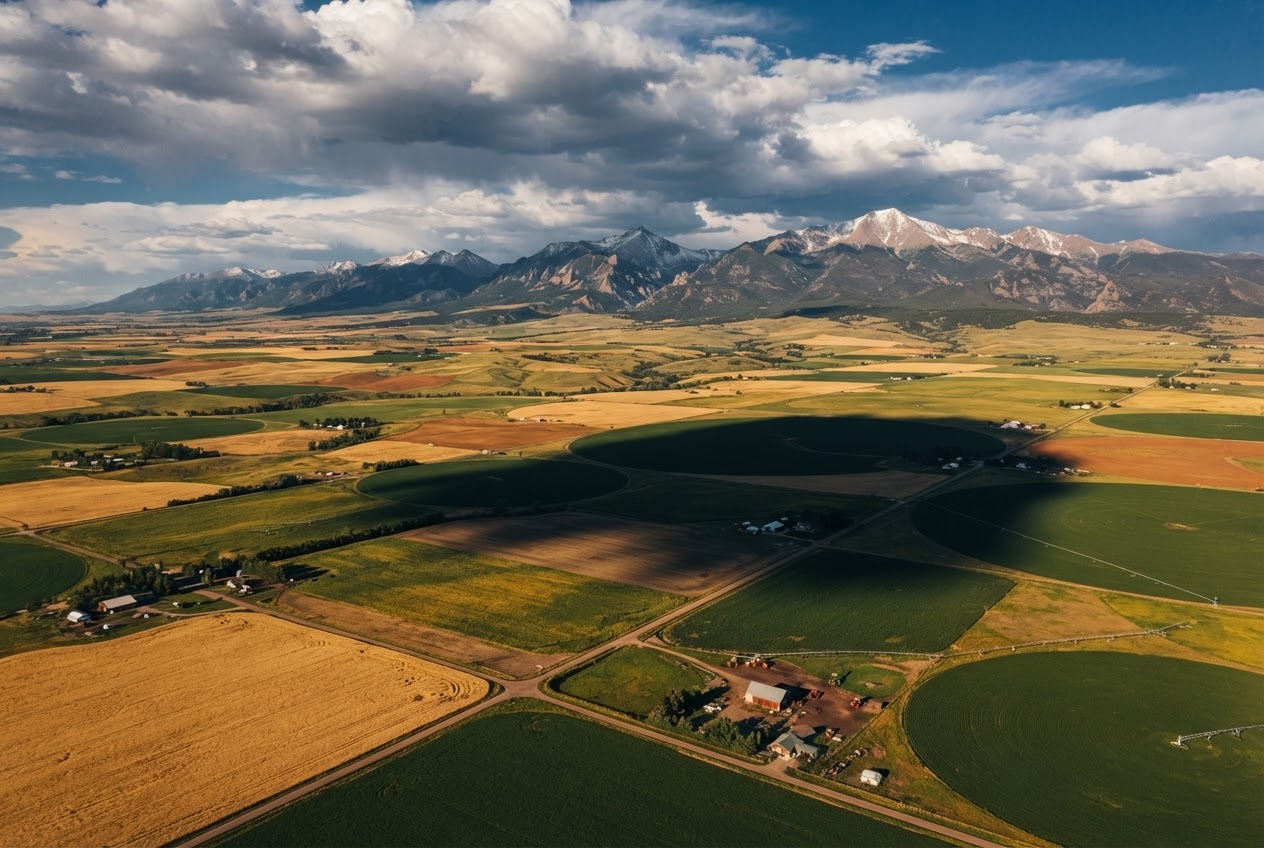
Colorado Farmers Face Tariffs, Labor Shortages, and Persistent Drought
With agricultural exports reaching $2.7 billion annually, Colorado's farming sector is a cornerstone of the rural economy. But tariffs, worker shortages, and drought conditions are creating headwinds for producers across the state.
Colorado agriculture is a $2.7 billion export industry, but farmers across the state are navigating a challenging landscape of trade pressures, workforce constraints, and water scarcity.
According to ColoradoBiz, the state's primary agricultural exports include beef, dairy, wheat, corn, fruit, and vegetables. Total agricultural exports reached approximately $2.7 billion, underscoring the sector's importance to rural economies — particularly on the Eastern Plains and in the Western Slope's fruit-growing valleys.
Tariffs and trade uncertainty have complicated export markets for Colorado producers. Beef and wheat, two of the state's largest agricultural commodities, are sensitive to international trade dynamics. Farmers report that shifting tariff structures have made long-term planning difficult.
Labor shortages remain a persistent challenge. Colorado's agricultural workforce has been constrained by tighter immigration policies and fewer workers entering the field, even as wages have risen.
Drought conditions continue to affect forage supplies and water availability. The Colorado Department of Agriculture has opened programs to help livestock owners navigate persistent dry conditions, and the USDA reports cattle inventory in Colorado at approximately 2.55 million head as of January 2026.
An economics presentation at Colorado Mesa University in January 2026 examined the economics of agriculture in Western Colorado, where fruit orchards and vineyards face particular pressure from water constraints and development.
Despite the headwinds, Colorado agriculture remains resilient. Producers are adopting water-efficient irrigation, diversifying crops, and exploring value-added products to sustain profitability in a challenging environment.